
Introduction to the Bisexual Flag
The bisexual flag is more than just a colorful banner; it is a powerful symbol representing the bisexual community and its unique identity. First unveiled in 1998, the flag has become a rallying point for those who identify as bisexual, offering visibility and a sense of belonging in an often misunderstood landscape of sexual orientations. The significance of this flag extends beyond its colors, embodying the struggles, triumphs, and ongoing journey towards acceptance and equality.
In this article, we will explore the origins of the bisexual flag, the symbolism of its design, and its role in the broader context of LGBTQ+ advocacy. Through understanding the flag’s elements and the history behind it, we aim to foster a greater appreciation for bisexuality and those who identify within this spectrum.
The Birth of the Bisexual Flag
The bisexual flag was created by Michael Page in 1998 as a way to provide a distinct emblem for the bisexual community. At the time, bisexual individuals often felt marginalized, with their identities overlooked in discussions focused on lesbian and gay rights. The creation of the flag was a pivotal moment in claiming space for bisexual representation within the broader LGBTQ+ movement.
Page’s intention was to create a flag that would resonate with bisexual individuals and help foster a sense of community. The design was initially embraced by bisexual advocates, and it quickly gained popularity across social media platforms and at pride events worldwide. By having a flag that people could rally around, it provided a visual representation of bisexuality, promoting visibility and understanding.
Design Elements of the Bisexual Flag
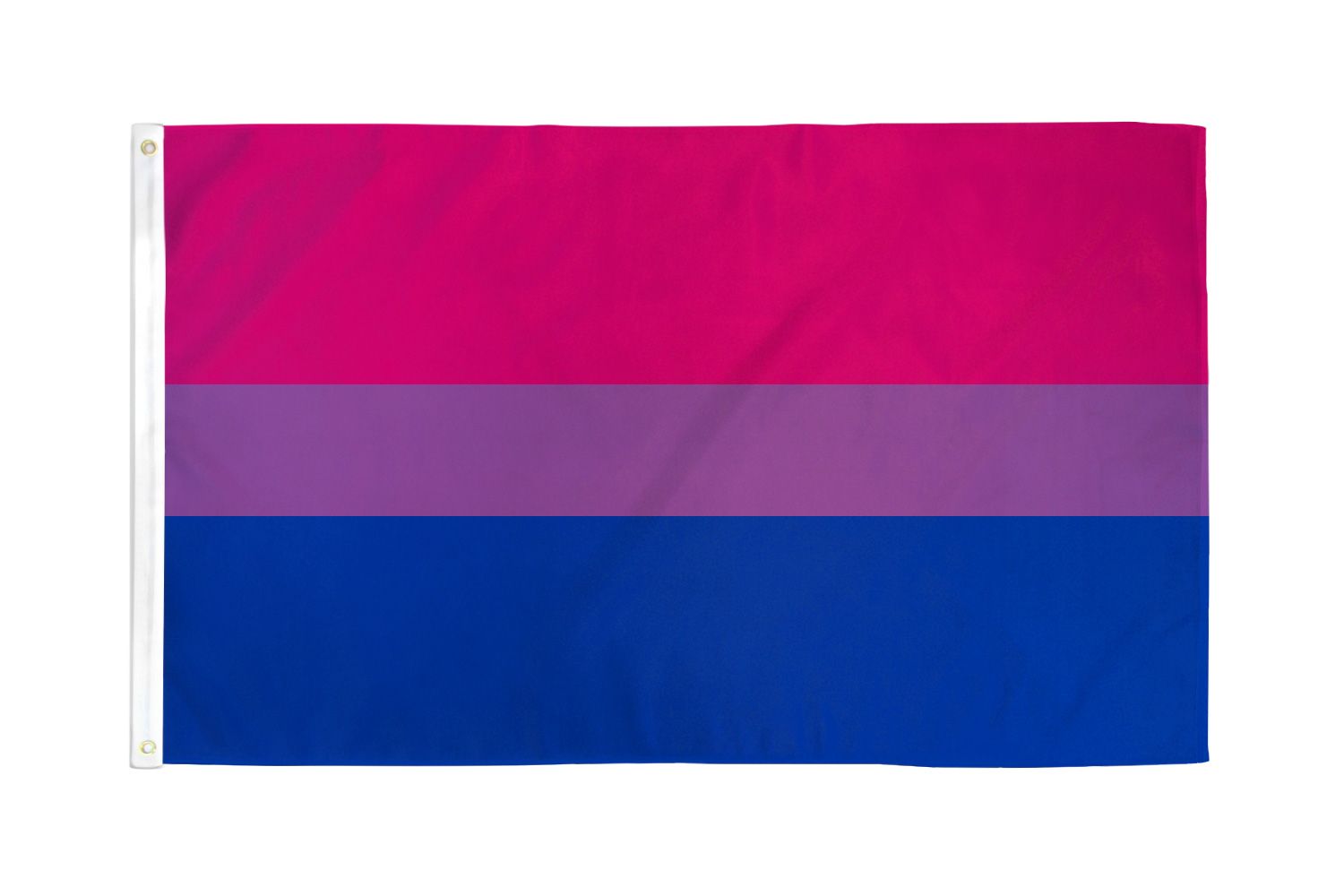
The bisexual flag features three horizontal stripes: a vibrant pink stripe at the top, a blue stripe at the bottom, and a narrower purple stripe in the center. Each color plays a crucial role in representing different aspects of bisexual identity. The pink symbolizes attraction to the same sex, while the blue represents attraction to the opposite sex. The purple, which is a blend of pink and blue, signifies the overlap between these two experiences, highlighting the fluidity and inclusivity of bisexuality.
This simple yet profound design has allowed the flag to be easily recognizable, fostering a sense of belonging among bisexual individuals. The use of bold colors also reflects the vibrancy and diversity inherent within the bisexual community, challenging stereotypes and promoting acceptance.
The Symbolism Behind the Bisexual Flag
The Colors and Their Meanings
The colors of the bisexual flag are not just aesthetically pleasing; they carry deep meanings that resonate with the experiences of bisexual individuals. The pink color symbolizes a connection to same-sex attraction, while the blue represents the attraction to opposite-sex partners. The central purple stripe acts as a bridge between the two, signifying that bisexuality encompasses a broad spectrum of attractions and identities.
This color scheme serves to challenge the binary perception of sexuality and emphasizes that attraction can exist on a continuum. It promotes the idea that bisexuality is a valid and legitimate identity, deserving of recognition and support within the LGBTQ+ community and beyond.
Understanding Bisexuality Through the Flag
The bisexual flag also plays a crucial role in reshaping narratives around bisexuality. Historically, bisexual individuals have faced stigma from both heterosexual and LGBTQ+ communities, often being dismissed or invalidated. The flag serves as a visual affirmation of bisexual identity, promoting awareness and understanding of the complexities involved in being bisexual.
By celebrating the flag, individuals can express their bisexuality with pride, fostering a community that embraces diversity and challenges stereotypes. It serves as a reminder that bisexuality is not a phase or a confusion but a legitimate and vibrant identity.
Historical Context and Evolution
The Journey of Bisexual Representation
The history of bisexual representation is rich and multifaceted. While the bisexual flag was created in the late 1990s, the struggle for visibility and acceptance has deep roots extending back through the LGBTQ+ rights movement. Bisexual individuals have often had to navigate a complex landscape, facing discrimination not only from society at large but also within the very communities that claim to support them.
Prior to the establishment of the bisexual flag, bisexuality was often obscured in the dialogue around sexual orientation. Early LGBTQ+ activists like Marsha P. Johnson and Sylvia Rivera, who identified as bisexual, worked tirelessly to advocate for the rights of all sexual minorities. Their efforts laid the groundwork for future activism, highlighting the need for intersectionality in the fight for equality.
Key Milestones in Bisexual Activism
Several key milestones have marked the evolution of bisexual activism. The 1990s saw a surge in bisexual visibility, coinciding with the creation of the bisexual flag. This era marked the rise of organizations focused specifically on bisexual advocacy, such as the American Institute of Bisexuality, which aimed to provide resources and support for bisexual individuals.
In the years since, various events, campaigns, and conferences have emerged to promote bisexual visibility and awareness. The establishment of Bi Visibility Day on September 23rd has become a significant occasion for bisexual individuals to celebrate their identities while raising awareness about the unique challenges they face.
Connection to Diversity, Equity, and Inclusion (DEI) Values
Embracing All Identities
The bisexual flag serves as a powerful symbol in the context of diversity, equity, and inclusion (DEI). As society becomes increasingly aware of the importance of recognizing and celebrating diverse identities, the flag stands as a reminder that bisexuality is an integral part of the LGBTQ+ spectrum. By embracing all identities, we foster environments where individuals feel safe to express their true selves.
This commitment to inclusivity is essential in creating a world where everyone, regardless of their sexual orientation, can thrive. The bisexual flag encourages dialogue about the complexities of identity and the need for equitable representation in all aspects of society, from policy-making to media representation.
The Role of the Bisexual Flag in Advocacy
The bisexual flag has become a vital tool in advocacy efforts aimed at promoting acceptance and understanding of bisexuality. It is often prominently featured at pride events, rallies, and awareness campaigns, serving as a unifying symbol for the bisexual community. The visibility of the flag helps to combat stereotypes and myths surrounding bisexuality, fostering conversations that challenge misconceptions.
Organizations and activists use the flag to advocate for policies that support bisexual individuals, addressing issues such as healthcare access, workplace discrimination, and mental health resources. By raising awareness of these issues, the bisexual flag plays a crucial role in ensuring that bisexual voices are represented in discussions about LGBTQ+ rights.
Celebrating Identity Through the Bisexual Flag
Personal Stories and Experiences
The bisexual flag is not just a symbol; it is a source of empowerment for many individuals. Personal stories abound of how the flag has played a role in people’s journeys to self-acceptance. For some, seeing the flag for the first time can be a transformative experience, validating their identities and providing a sense of belonging that may have previously felt out of reach.
These narratives often highlight the importance of community and connection. Individuals who identify as bisexual share their experiences of attending pride events, participating in awareness campaigns, and finding solace in the presence of the flag. It serves as a reminder that they are not alone in their journey, and there are many others who share similar experiences and challenges.
Community Events and Awareness Campaigns
The bisexual flag is often showcased during community events aimed at raising awareness about bisexuality and celebrating bisexual identities. From pride parades to educational workshops, the flag acts as a focal point for discussions about the importance of visibility and inclusion. These events are instrumental in fostering a sense of belonging among bisexual individuals while also educating others about the complexities of bisexuality.
Awareness campaigns often feature the bisexual flag prominently, signaling to the community that bisexuality is a valid and celebrated identity. Such initiatives play a crucial role in addressing the stigma that bisexual individuals face and encouraging open conversations about sexual orientation and identity.
Conclusion: The Future of the Bisexual Flag
Ongoing Challenges and Opportunities
Despite the progress made in terms of visibility and acceptance, challenges still persist for the bisexual community. Misconceptions about bisexuality, such as the notion that it is merely a phase or a sign of indecision, continue to undermine the validity of bisexual identities. The bisexual flag remains a crucial tool in combating these stereotypes and promoting greater understanding.
Looking to the future, there is an opportunity to continue expanding the conversation around bisexuality and its representation. As society evolves, the bisexual flag can serve as a reminder of the importance of inclusivity and intersectionality, pushing the boundaries of acceptance and understanding.
A Call to Action for Inclusion and Acceptance
In summary, the bisexual flag is a vibrant symbol representing not only bisexuality but also the broader fight for acceptance and equality within the LGBTQ+ community. Its colors evoke the complexity of attraction, while its history reflects the ongoing journey towards visibility. By embracing the bisexual flag and its meaning, individuals and communities can contribute to a more inclusive and understanding society for all.
FAQs
What do the colors of the bisexual flag represent?
The pink represents attraction to the same sex, the blue represents attraction to the opposite sex, and the purple signifies the overlap between these attractions.
Who created the bisexual flag?
The bisexual flag was created by Michael Page in 1998 to provide a symbol for the bisexual community.
What is Bi Visibility Day?
Bi Visibility Day, celebrated on September 23rd, is an occasion to raise awareness of bisexuality and celebrate bisexual identities.
Why is the bisexual flag important?
The bisexual flag is important because it promotes visibility and acceptance of bisexuality, challenging stereotypes and fostering community.
How can I support the bisexual community?
You can support the bisexual community by educating yourself about bisexual issues, advocating for bisexual representation, and participating in bisexual awareness events.